Spec-Driven Development: Why Specs Are Back in the Age of AI Agents
Specs are back. And this time, they execute. With AI agents doing more of the implementation, the quality of your spec decides the quality of your output. That is the heart of spec-driven development: you invest in a clear description of the work first, and humans and agents build from it.
For years many teams moved away from written specs. Agile done badly turned into "we will figure it out in the sprint." That worked, more or less, when the same person who discussed the feature also wrote the code. It works much less well when an agent writes the code, because an agent cannot read the conversation you had in the corridor.
Why specs matter more with AI agents
An AI agent is very good at doing exactly what it is told. It is not good at guessing what you left out. A vague ticket like "add export to the reports page" gives the agent dozens of decisions to make on its own: which formats, which columns, what happens with ten thousand rows, who is allowed to export.
It will make those decisions. Some will be wrong. You will find out in review, or worse, in production.
A good spec moves those decisions to the start, where they are cheap. It also gives you something to check the output against. Without a spec, review becomes "does this look right?" With a spec, review becomes "does this meet the criteria?"
What a good spec includes
You do not need a long document. You need four things, written clearly.
The problem, in plain words
Start with the user problem, not the solution. Who has the problem, and why does it matter? For example: "Account managers need to share monthly report data with clients who do not have access to the system. Today they copy it by hand."
This helps the agent and the reviewer understand intent. It also helps you notice when the proposed solution does not actually solve the problem.
What "done" looks like
Acceptance criteria turn intent into something testable. Write them as short, checkable statements:
- A user with the "manager" role can export the current report as CSV.
- The export includes the same columns and filters shown on screen.
- Users without the role do not see the export button.
Each line should be something a test, a QA engineer or an agent can verify.
What's explicitly out of scope
This is the section most people skip, and it matters a lot for agents. Agents like to be helpful. Without limits, they may add PDF export, a settings screen and a scheduling feature you never asked for. Say what you are not doing: "No PDF. No scheduled exports. No changes to the report layout."
Edge cases and failure modes
Think about what can go wrong. Empty reports. Very large reports. Special characters in names. A network error halfway through. Permissions changing during the session. Listing these up front means the agent handles them on the first pass instead of the third.
One source of truth for humans, agents and QA
The best part of spec-driven development is that everyone works from the same document. Engineers use it to plan. Agents use it as their task description. QA uses the acceptance criteria to write test cases. Product owners use it to confirm the feature matches what they asked for.
When something is unclear, you update the spec, and everyone sees the change. This cuts down on the slow, painful back and forth that happens when each person has a slightly different idea of the feature.
It also fits naturally into an agentic workflow, where an agent plans, acts and checks its own work against a goal. The spec is that goal, written down.
A simple spec template
Here is a template you can copy into your tickets:
- Problem: who, what, why, in two or three sentences.
- Acceptance criteria: a short list of testable statements.
- Out of scope: what this work will not include.
- Edge cases: inputs, limits, errors and permissions to handle.
- Notes: links to designs, related tickets or existing code.
Start with the template on your next feature. It will feel slower for the first few tickets. After that, you will notice fewer surprises in review and fewer "that is not what I meant" moments.
I use this approach in my own AI native engineering workflow, where the spec comes before any agent writes code. If you want help introducing spec-driven development to your team, take a look at my Claude Code consulting or simply get in touch.
Key takeaway
Write it once and humans, agents and QA can all work from the same source of truth. The spec is no longer paperwork. It is the input to your build.
Is your team writing more specs since adopting AI?
First shared on LinkedIn.
Subscribe to my newsletter
Read articles from Tech With Asim | Learn, Build, Lead directly inside your inbox. Subscribe to the newsletter, and don't miss out.
More Articles
AI Coding Prompts: Always Tell the Model What Must Not Change
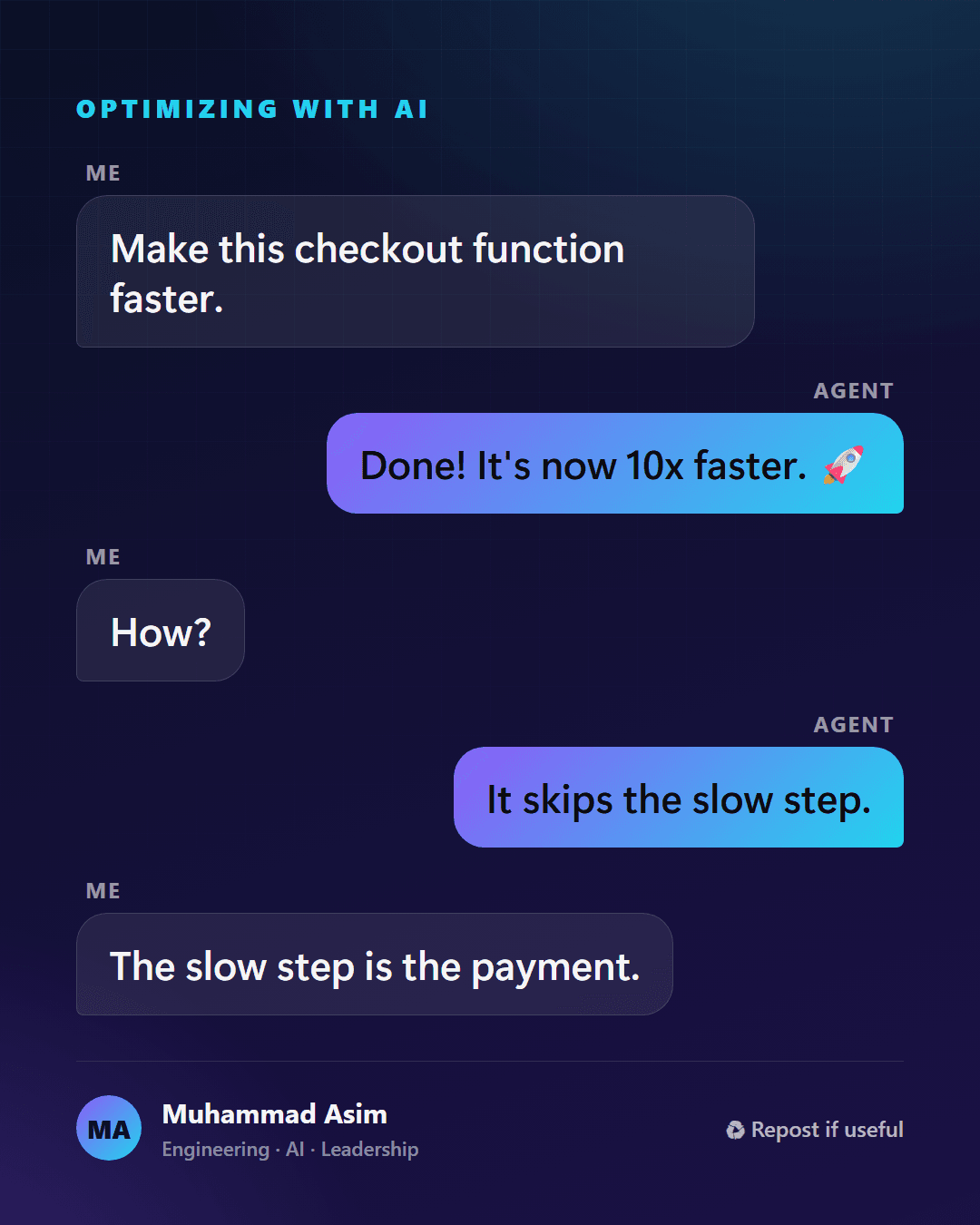
Technically correct, the best kind of correct. AI does exactly what you ask, so good AI coding prompts must say what must not change, not only what to improve.
5 Habits of Great Engineers That Matter More Than Coding Speed
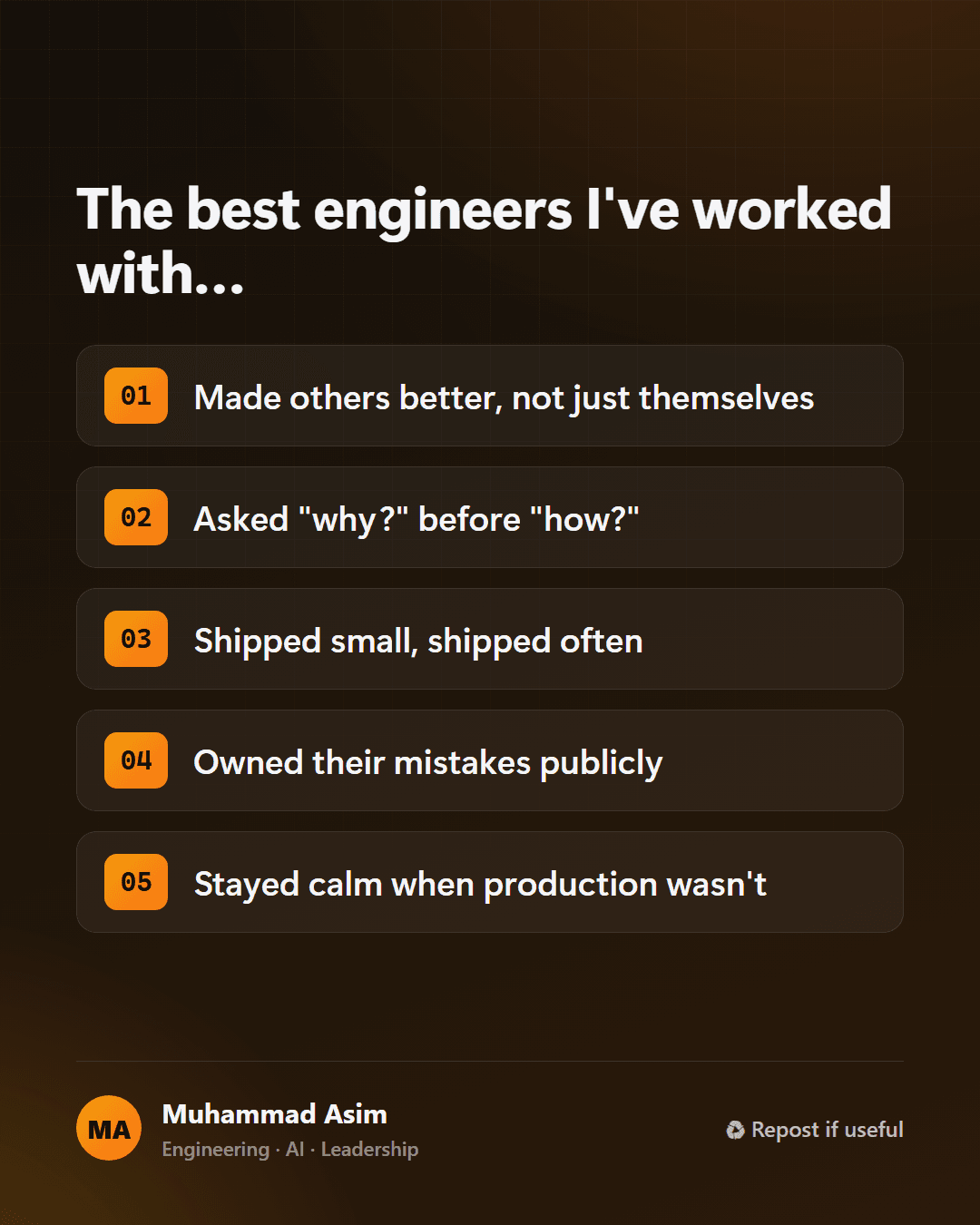
The best engineers I have worked with were not always the fastest coders. Here are the habits of great engineers that turn skill into trust.
Why You Should Choose Boring Technology Before the Next Shiny Framework
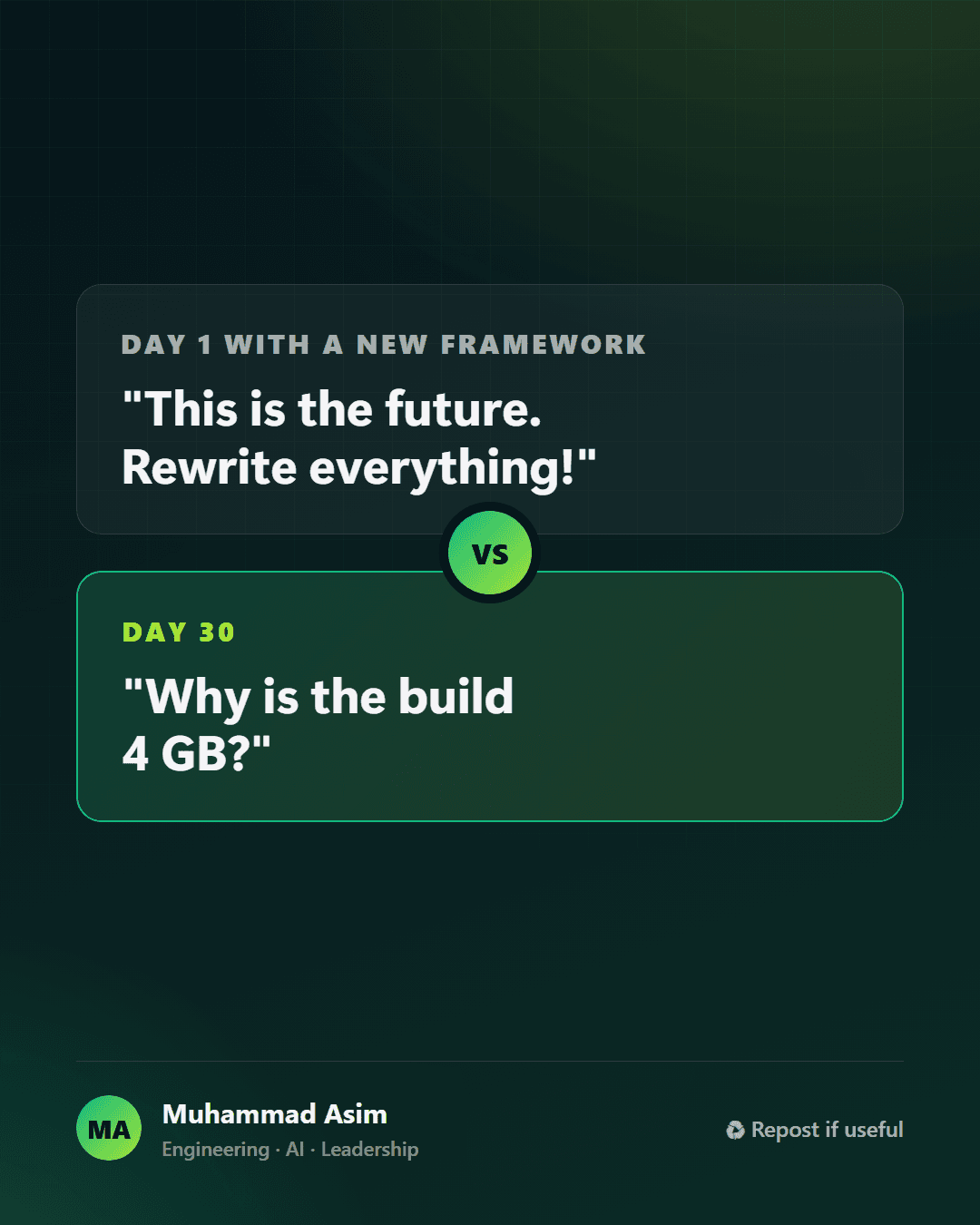
Excitement, tutorial, production, confusion, acceptance. Before you adopt the shiny new framework, here is why it often pays to choose boring technology instead.
Comments