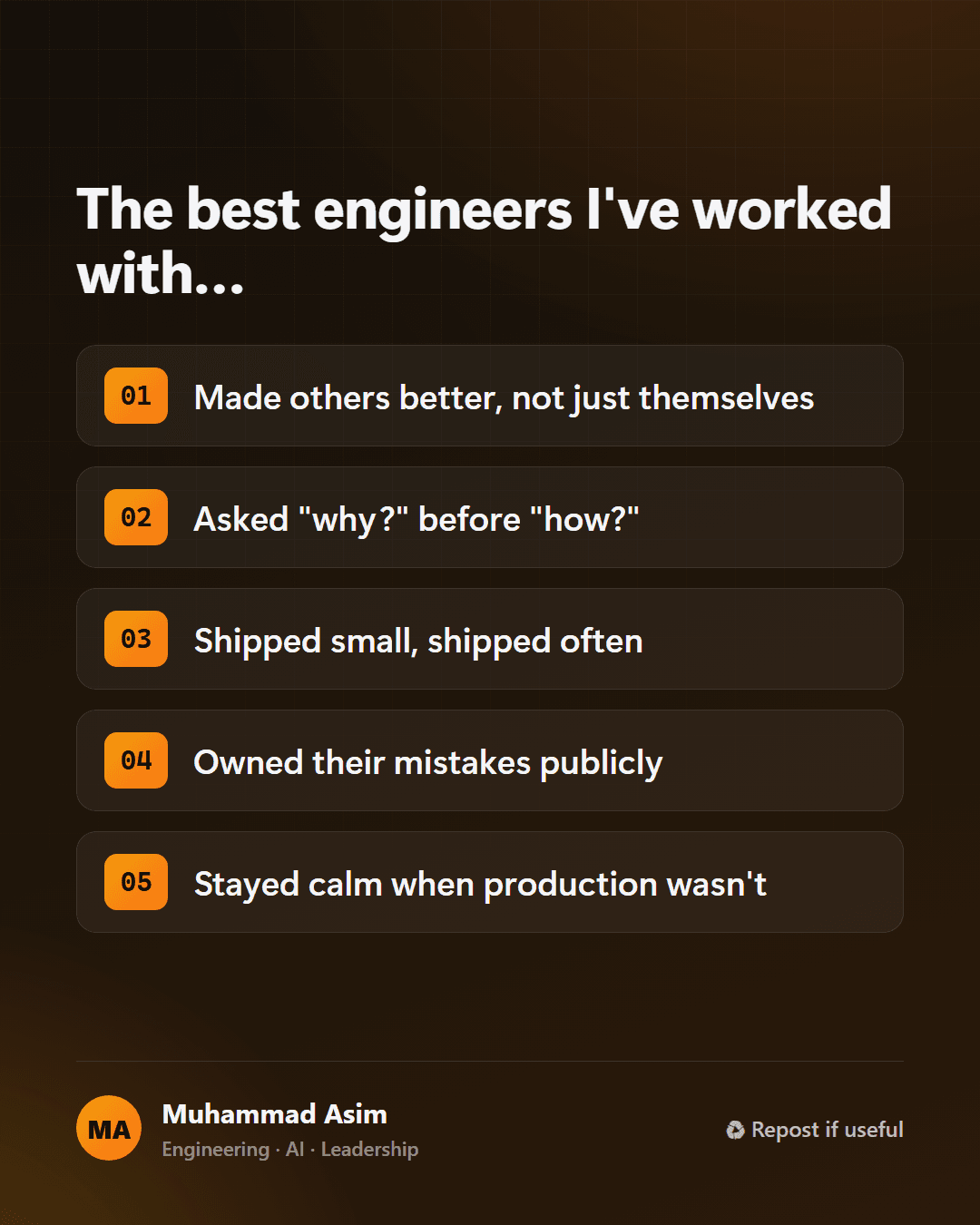
5 Habits of Great Engineers That Matter More Than Coding Speed
A Sunday reflection: the best engineers I have worked with were not always the fastest coders. Over more than 14 years in this industry, the people who left the deepest mark on me shared a different set of traits. These are the habits of great engineers, and none of them show up in a coding test.
Skills get you hired. These habits get you trusted. And trust is what gets you the hard problems, the bigger scope and the room to make decisions.
Why speed is the wrong measure
Fast coding is useful. But speed on its own can hurt a team. A fast engineer who writes code nobody else understands, skips tests and leaves a trail of half-explained changes creates work for everyone else. The team as a whole slows down.
Great engineers think about the output of the team, not just their own. That shift is the root of every habit below.
The habits of great engineers
They make the people around them better
This is the clearest sign. After working with them, you write better code, review more carefully and explain things more clearly. They do it through good code reviews, patient pairing and sharing what they learn without making anyone feel small.
Try it: in your next review, explain the reason behind one comment instead of just asking for a change. Link to a doc or example if you can.
They ask "why?" before "how?"
Before writing code, they make sure they understand the problem. Why does the user need this? What happens if we do nothing? Is there a simpler way? Often the best solution is a smaller one, or no code at all.
Try it: before starting your next ticket, write one sentence about the user problem it solves. If you cannot, ask.
They ship small and often
Big releases hide risk. Small, frequent changes are easier to review, easier to test and easier to roll back. Great engineers break work into slices that each deliver something real. They get feedback early, so they waste less time on the wrong path.
Try it: take your current task and split it into the smallest change that could go to production safely. Ship that first.
They own their mistakes publicly
Everyone breaks things. What matters is what happens next. Great engineers say "that was me, here is what happened, here is the fix" without excuses or blame. This builds a culture where problems surface fast, which is exactly what you want.
Try it: next time something you built fails, write the short summary yourself before anyone asks.
They stay calm when production isn't
Incidents are stressful. Calm engineers slow down, gather facts, communicate clearly and fix the most urgent thing first. Their calm spreads to the rest of the team. Panic spreads too, and it leads to rushed fixes that make things worse.
Try it: keep a simple incident checklist: what is broken, who is affected, what changed recently, who is talking to stakeholders.
How leaders can grow these habits
If you lead a team, you can make these habits easier to adopt:
- Reward the right things. Praise good reviews, clear docs and calm incident handling, not just shipped features.
- Make mistakes safe. Run blameless reviews after incidents. Focus on systems, not people.
- Model it yourself. Ask why. Ship small. Admit your own errors first.
- Give feedback on behaviour, not only code. Tell people when their habits helped the team.
This is a big part of the work I do with teams as a fractional tech lead. Tools and architecture matter, but habits decide how a team performs over time. You can read more about my background on the about page.
A quick self-check
Ask yourself honestly, on a scale of 1 to 5:
- Do the people I work with get better because of me?
- Do I understand the "why" before I start coding?
- Are my changes small enough to review in one sitting?
- Do I own my mistakes quickly and openly?
- Am I a calming presence during incidents?
Pick the lowest score and work on that one habit for a month. Small, steady improvement is how these habits are built.
If you are building a team and want to grow this kind of culture, get in touch.
Who is an engineer who shaped how you work? Give them a shout-out and tell them which habit made the difference.
First shared on LinkedIn.
Subscribe to my newsletter
Read articles from Tech With Asim | Learn, Build, Lead directly inside your inbox. Subscribe to the newsletter, and don't miss out.
More Articles
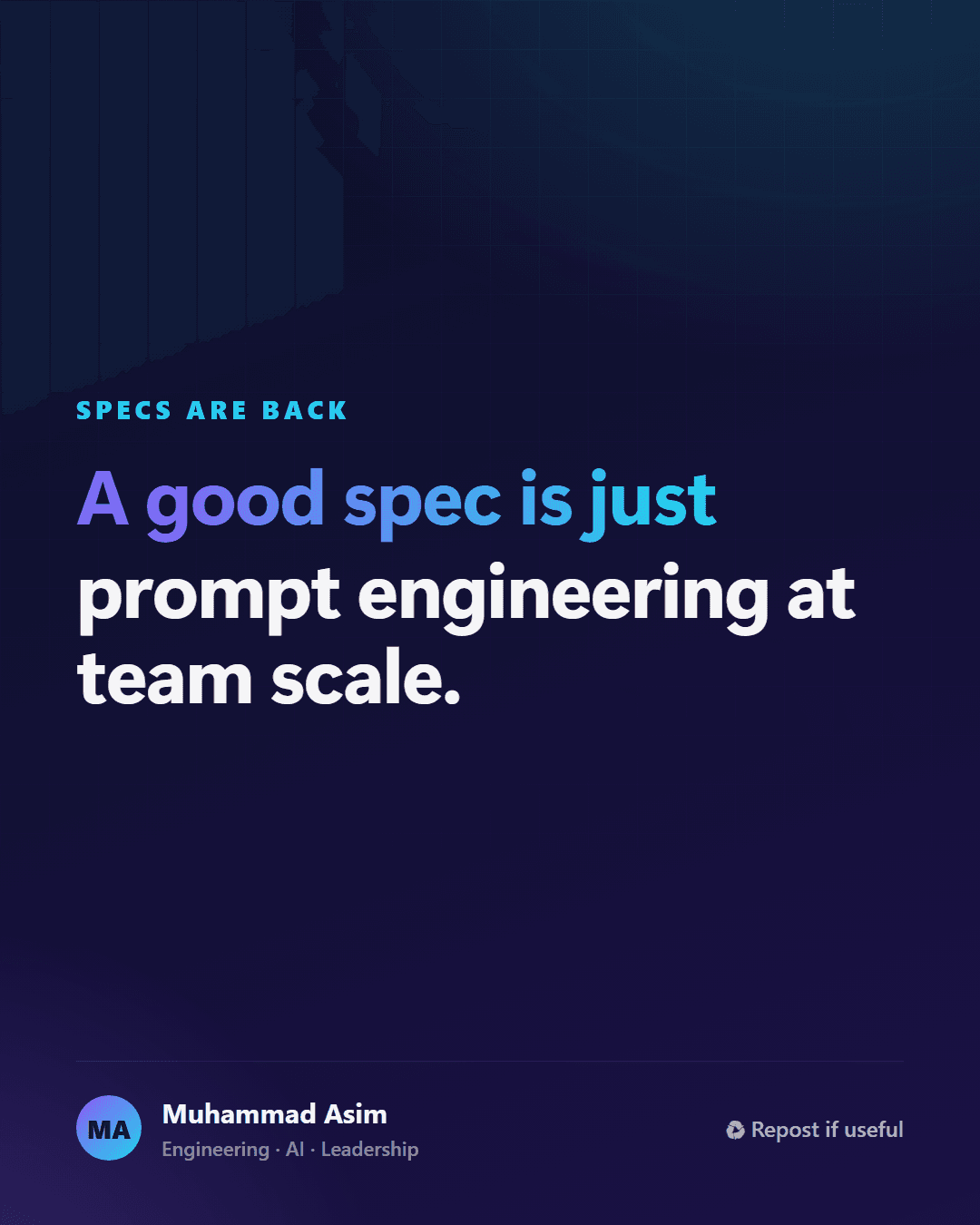
Spec-Driven Development: Why Specs Are Back in the Age of AI Agents
With AI agents doing more of the implementation, the quality of your spec decides the quality of your output. Here is how to practise spec-driven development well.
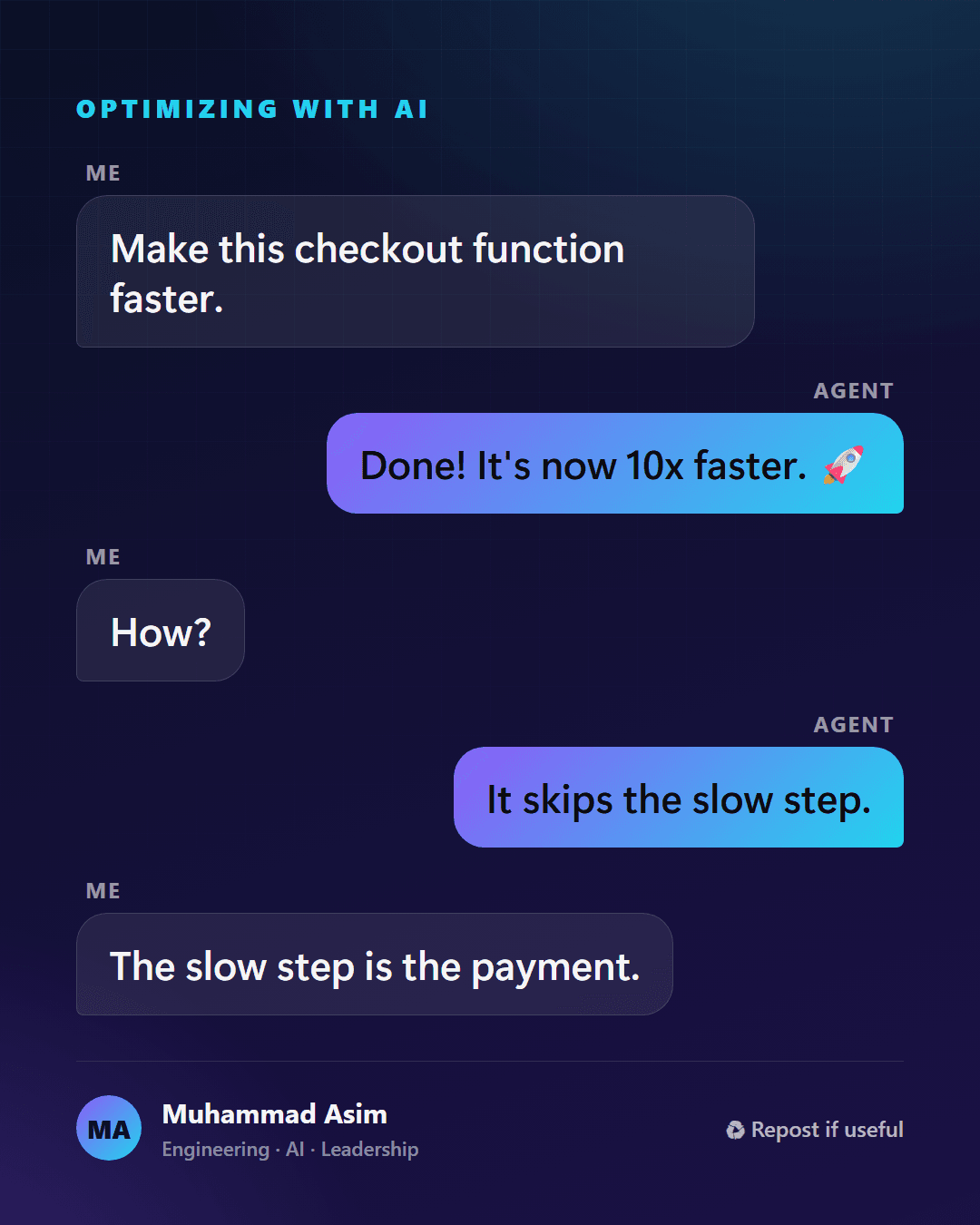
AI Coding Prompts: Always Tell the Model What Must Not Change
Technically correct, the best kind of correct. AI does exactly what you ask, so good AI coding prompts must say what must not change, not only what to improve.
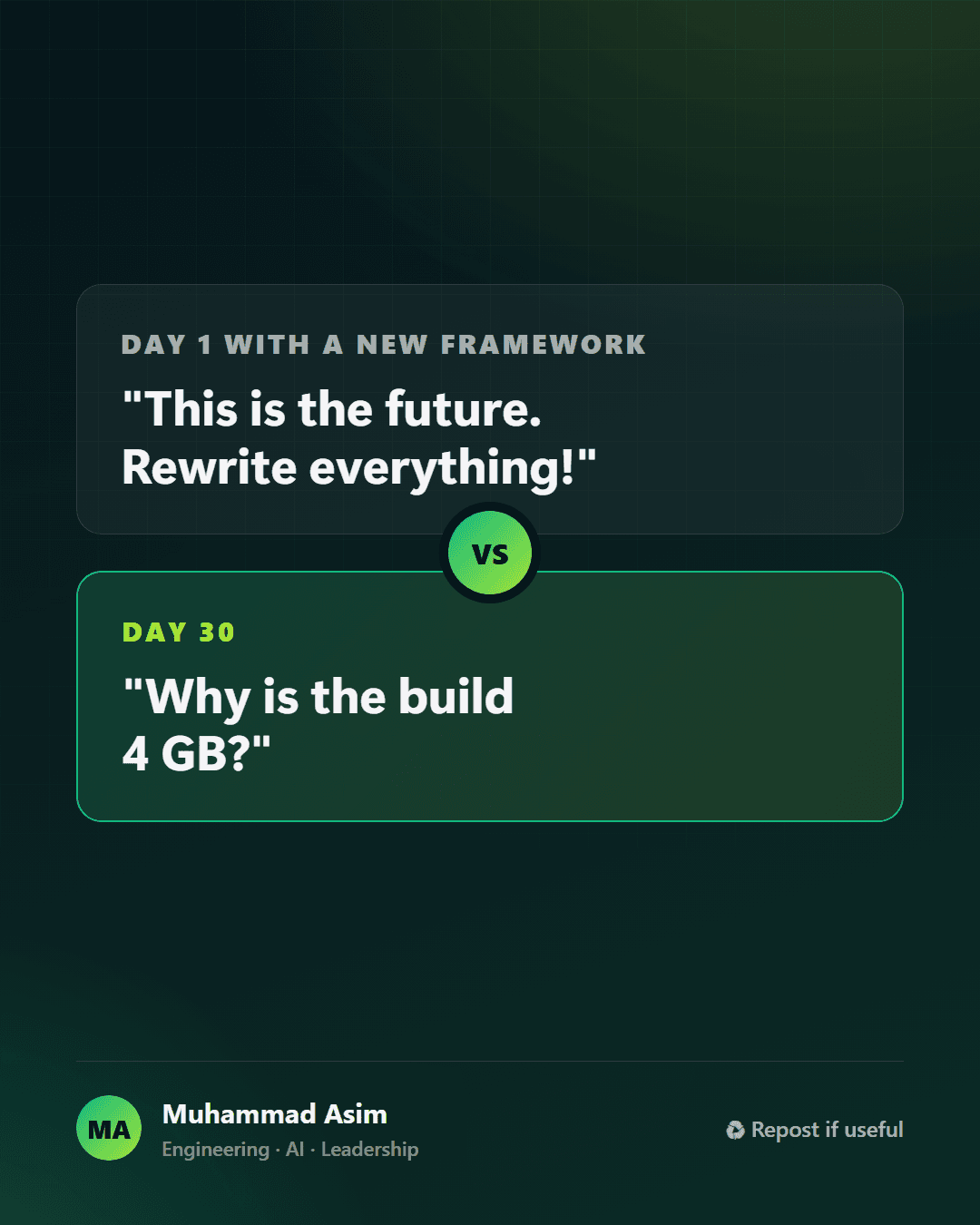
Why You Should Choose Boring Technology Before the Next Shiny Framework
Excitement, tutorial, production, confusion, acceptance. Before you adopt the shiny new framework, here is why it often pays to choose boring technology instead.
Comments