How to Roll Out AI Tools to an Engineering Team Without Chaos
Most teams that try to roll out AI tools start with the tool. They buy licences, send a memo and wait for productivity to rise. Then very little happens. Rolling out AI tools to a team is a change management problem, not a tooling problem, and treating it that way changes the result.
Here is what worked for us, and why each step matters.
Why tool-first rollouts stall
When you hand people a powerful new tool with no shared approach, everyone uses it differently. One engineer lets the agent rewrite whole modules. Another refuses to touch it. A third uses it for everything, but nobody can review the output. The codebase starts to drift, reviews get harder and the sceptics feel proven right.
People don't resist AI. They resist chaos. Give them a clear, small, safe way to start, and most engineers lean in.
Five steps that worked for us
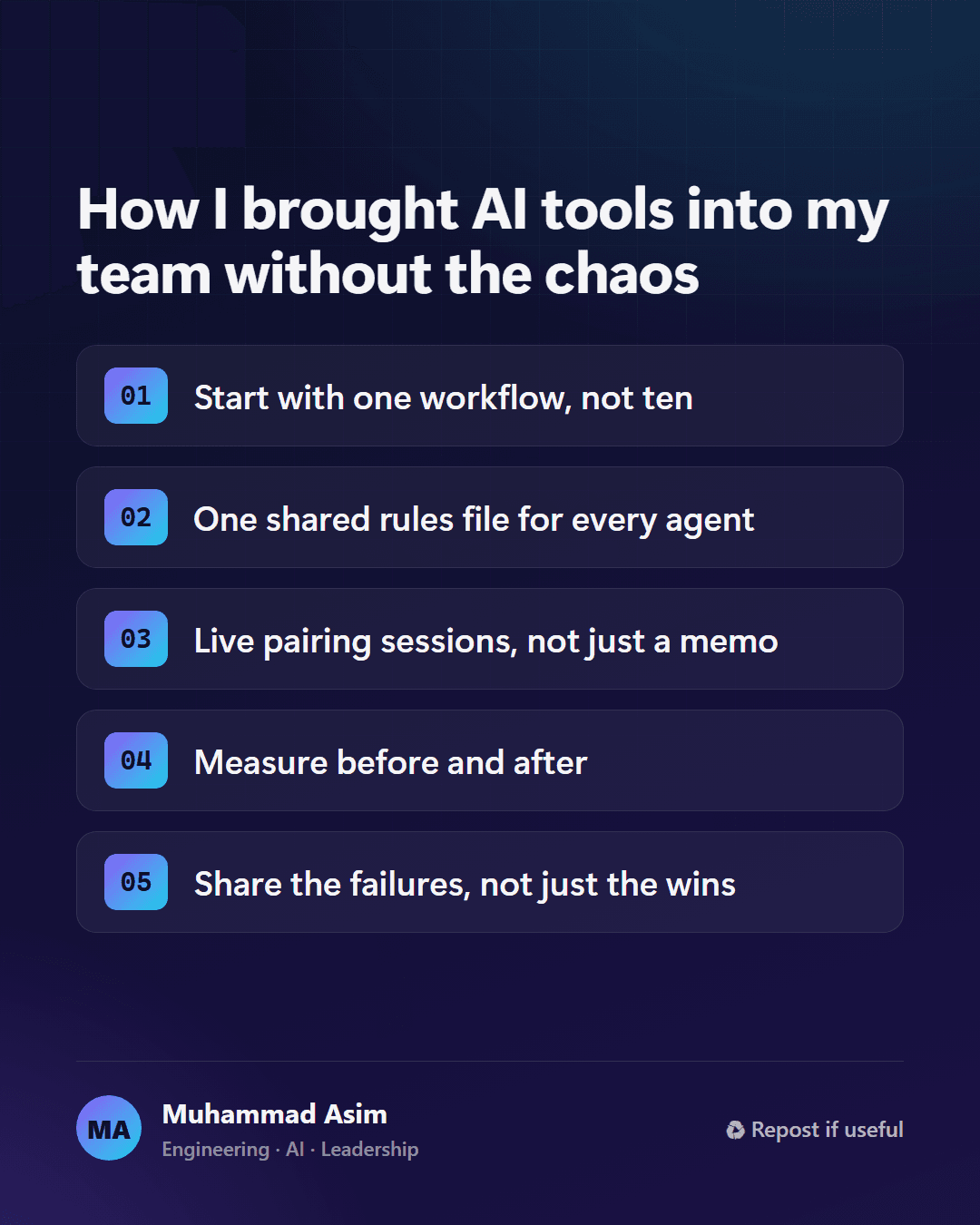
1. Start with one workflow, not ten
We picked writing tests. It was a good first choice for a few reasons: tests are low risk, the output is easy to check, and most teams have fewer tests than they want. Engineers could see value in the first week without betting production on it.
Pick one workflow where AI help is easy to verify. Get good at it. Then add the next one.
2. One shared rules file
Every agent should follow the same conventions: folder structure, naming, testing style, what not to touch. Put those rules in one shared file in the repo so every session reads them. This is the single biggest step for consistency. It also means you write a rule once instead of repeating it in every prompt.
3. Live pairing sessions, not a memo
A memo saying "please use AI" changes nothing. Watching a colleague use it on real code changes a lot. We ran live pairing sessions where someone shared their screen and worked through a real ticket with an agent, including the parts that went wrong. People learn prompts, habits and limits much faster by watching than by reading.
4. Measure before and after
Pick a few simple signals and measure them before you start: review time, bugs found after release, and lead time from ticket to production. Measure again after a few weeks. Without a baseline, every opinion about AI is just a feeling. With one, you can have an honest conversation about what is working.
5. Share the failures openly, not just the wins
If people only hear success stories, they assume they are doing it wrong when the agent makes a mess. Share the failures too: the wrong refactor, the test that tested nothing, the hallucinated API. Open failures build trust and teach the limits faster than any guide.
Common mistakes to avoid
A few patterns slow adoption down:
- Mandating usage targets. Forcing a percentage of AI written code invites low quality output.
- Skipping review rules. AI generated code still needs the same review as any other code.
- Ignoring the sceptics. They often spot real risks. Bring them into the pilot.
- Choosing tools by hype. Pick tools that fit your stack and your security needs. I compared a few in GitHub Copilot vs Tabnine vs IntelliCode.
- Going wide too early. Ten workflows at once means none of them get done well.
A simple rollout plan
If you want a starting point, try this:
- Choose one workflow and two or three volunteers.
- Write a short rules file and agree on review standards.
- Run weekly pairing sessions for a month.
- Measure your baseline signals before and after.
- Hold a short retro: what worked, what broke, what to try next.
- Expand to the next workflow and more people.
This feels slower than a big launch. In practice it is faster, because you do not have to clean up a messy rollout later.
I describe how I use these tools day to day in my AI native engineering workflow. If your team uses Claude Code, my Claude Code consulting covers rules files, review standards and pairing sessions in detail.
The takeaway
When you roll out AI tools, the tool is the easy part. The hard part is helping people change how they work, together, with clear rules and honest feedback. Start small, share everything and measure what matters.
How did AI adoption go on your team? If you want help planning a calm, structured rollout, get in touch.
First shared on LinkedIn.
Subscribe to my newsletter
Read articles from Tech With Asim | Learn, Build, Lead directly inside your inbox. Subscribe to the newsletter, and don't miss out.
More Articles
Spec-Driven Development: Why Specs Are Back in the Age of AI Agents
With AI agents doing more of the implementation, the quality of your spec decides the quality of your output. Here is how to practise spec-driven development well.
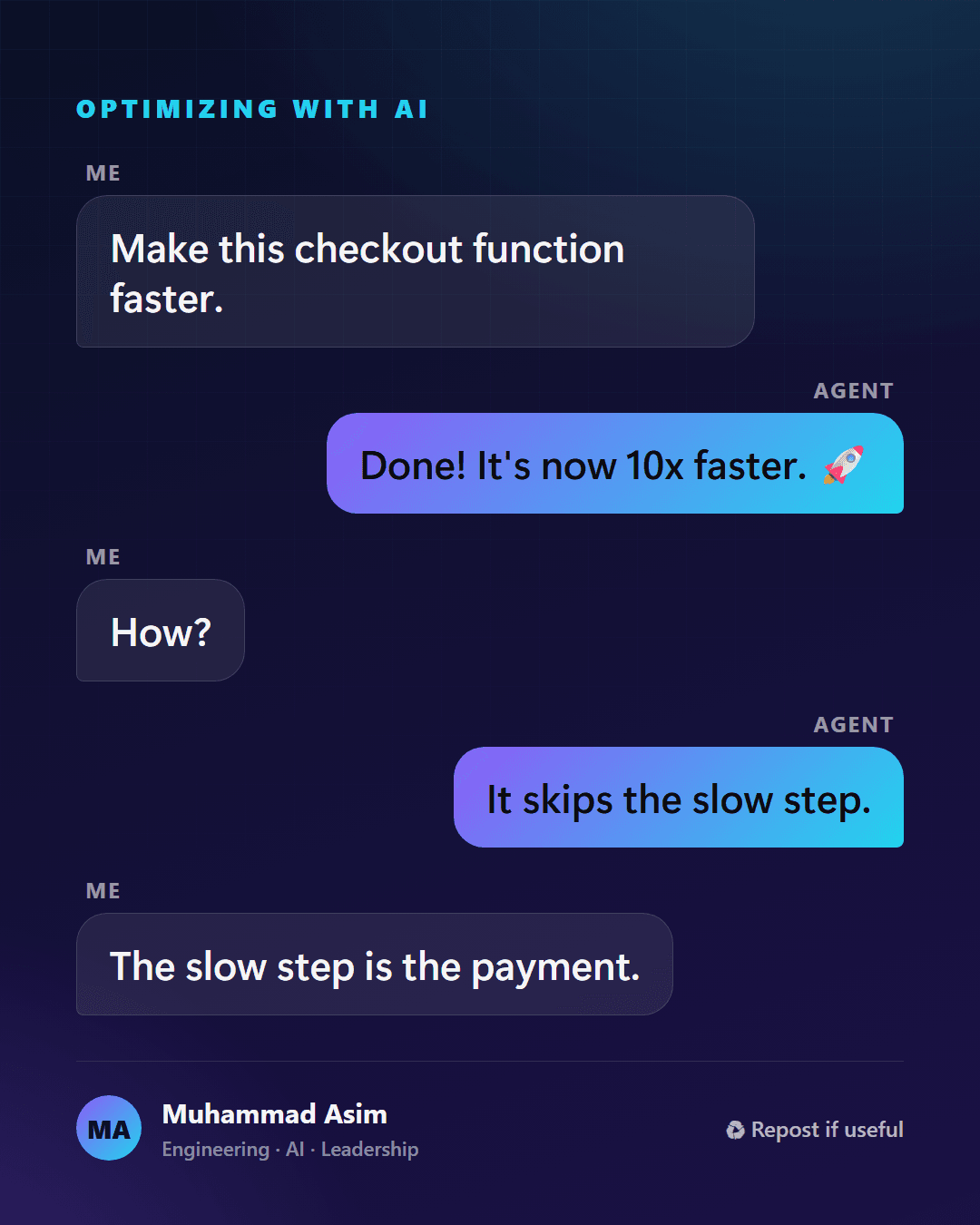
AI Coding Prompts: Always Tell the Model What Must Not Change
Technically correct, the best kind of correct. AI does exactly what you ask, so good AI coding prompts must say what must not change, not only what to improve.
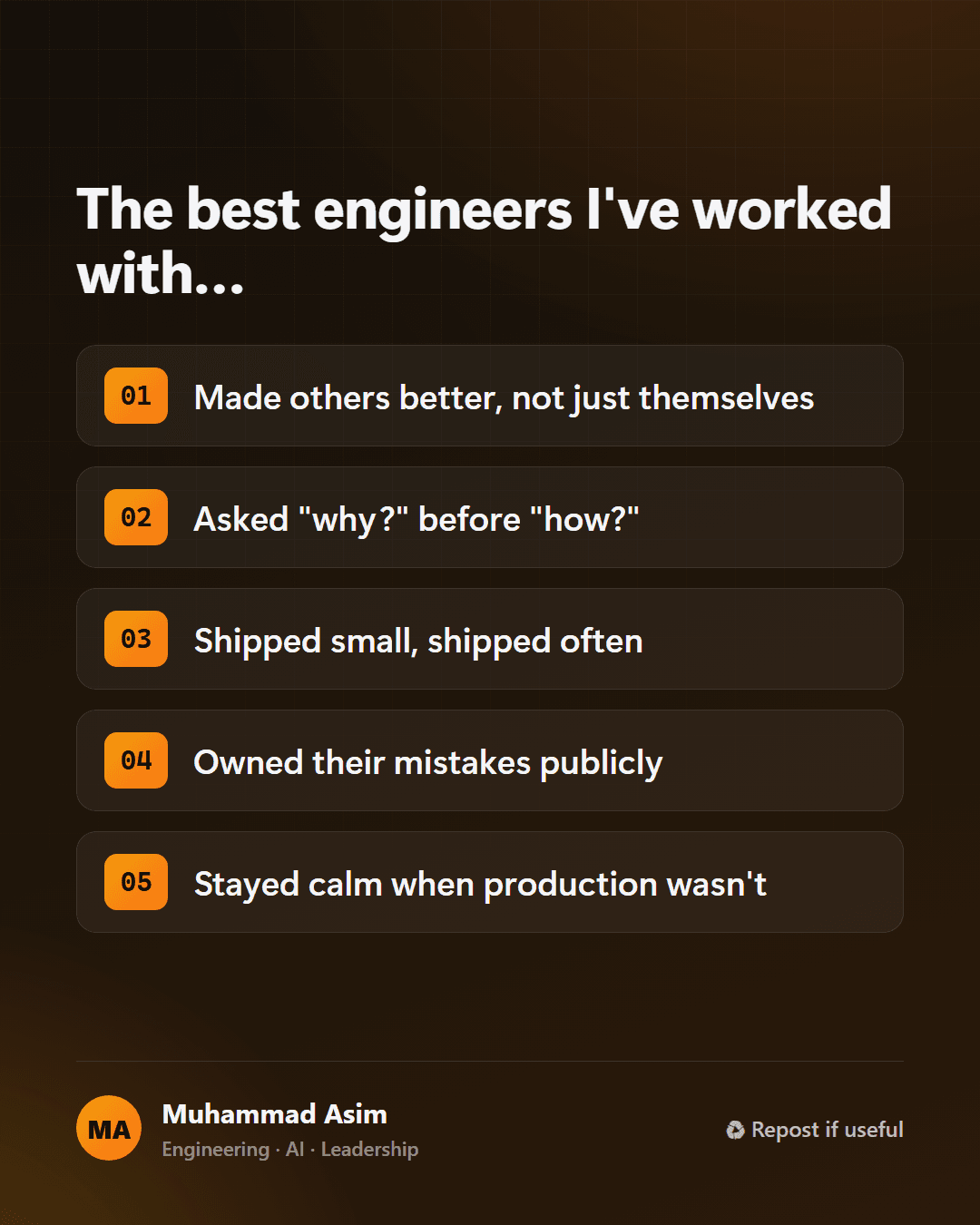
5 Habits of Great Engineers That Matter More Than Coding Speed
The best engineers I have worked with were not always the fastest coders. Here are the habits of great engineers that turn skill into trust.
Comments