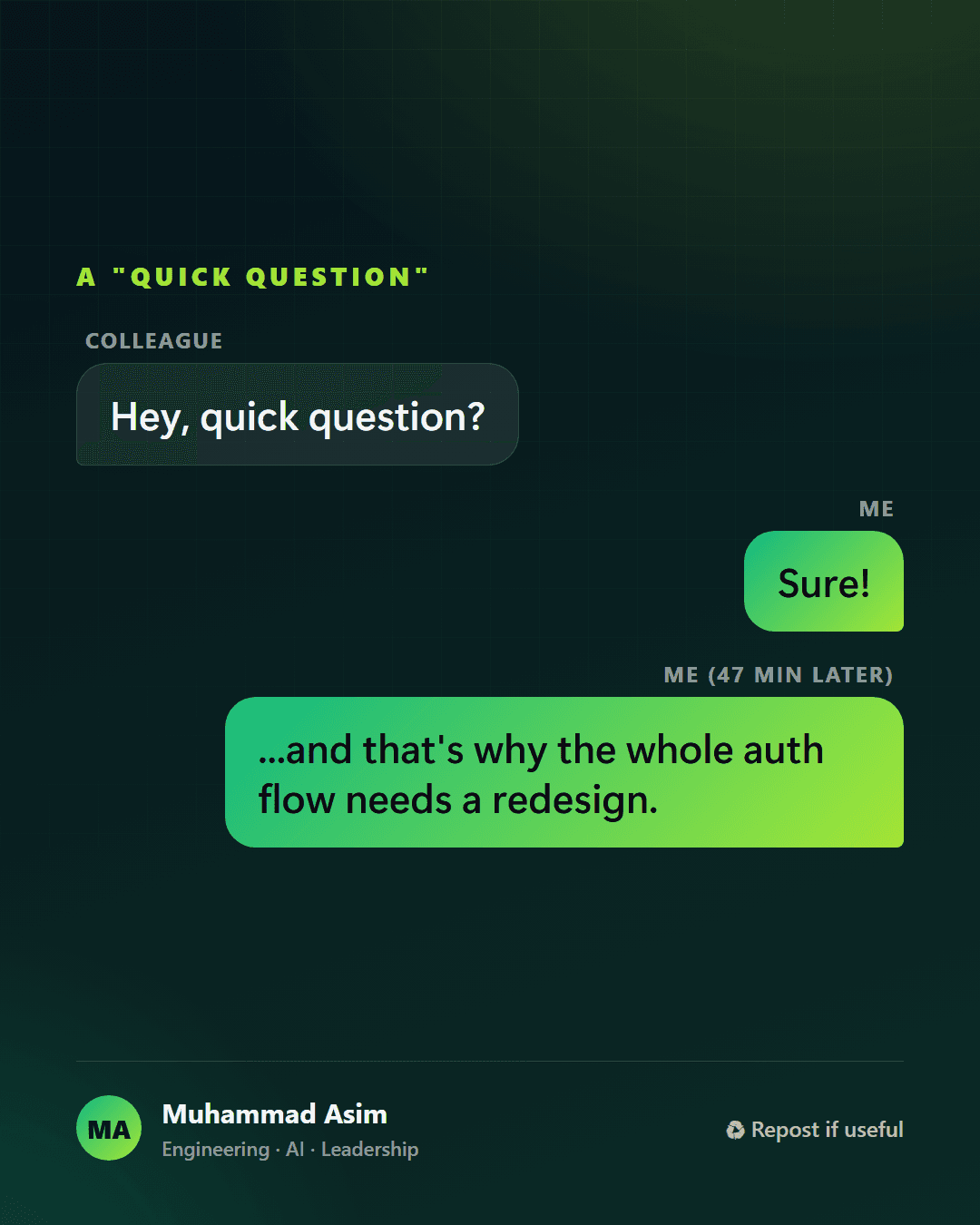
There Is No Quick Question: How to Protect Deep Work as a Developer
There is no such thing as a quick question in software. "Quick question" usually means a 30 minute conversation, three follow ups and a context switch that costs the rest of your morning. If you want to protect deep work, you have to treat these questions with a bit of structure.
But here is the honest part. Some of the best design decisions I have seen started exactly like this. A quick question exposed a wrong assumption, a missing requirement or a better idea. So the goal is not to stop the questions. It is to handle them without losing your whole day.
Why "quick questions" are so expensive
Software work needs long stretches of focus. You hold a lot in your head at once: the data model, the edge cases, the bug you are chasing, the test you are about to write. An interruption does not just cost the minutes you spend answering. It costs the time to rebuild all of that context afterwards.
A few interruptions spread across a day can leave you with no real block of focus at all. You stay busy, but the hard work does not move.
Questions are not the problem. Unplanned, repeated questions are.
Three ways to keep quick questions from eating your day
1. Batch them
Give questions a home and a time.
- Office hours. A fixed slot each day or a few times a week when anyone can drop in.
- A dedicated channel. One place for questions about a system or project, instead of scattered direct messages.
- Async by default. Encourage people to write the full question, with context, so it can be answered later without a meeting.
Batching respects both sides. The person asking knows when they will get an answer. The person answering keeps their focus intact.
2. Write the answer down
If a question is asked once, answer it. If it is asked twice, write it down. A short entry in the team wiki, a README section or a pinned message saves everyone time in the future.
Good written answers also help new joiners and, more and more, AI agents. A project context file or FAQ that an agent can read means fewer questions reach a human in the first place.
3. Protect a deep work block every day
Pick a block, two or three hours, and guard it.
- Put it in your calendar so others can see it.
- Turn off chat notifications during it.
- Agree as a team on a rough "no meetings" window.
- Leave a clear way to reach you for real emergencies.
Leaders matter here. If a manager pings people during focus time, the block disappears. If the manager respects it, the team will too.
When a quick question becomes a project
Sometimes a quick question opens a much bigger topic. "Why do we store this twice?" can lead to a real design problem. When that happens, do not try to solve it in a chat thread.
- Name it. "This sounds bigger than a quick answer."
- Capture it. Write a ticket or a short note with the question and what you know.
- Schedule it. Book a proper discussion with the right people.
- Thank the person who asked. Good questions should be rewarded, not punished.
This keeps the value of the question without derailing everyone's day.
Remote teams need this even more
In remote teams, chat is the office. Every message can feel urgent, and it is easy to stay online all day answering things. Clear norms about response times and focus blocks help people work well and switch off properly. I wrote more about this side of remote life in mastering work-life balance in remote work.
A quick checklist
- Questions have a clear home, like a channel or office hours.
- Repeated answers are written down.
- Everyone has a protected deep work block.
- Big questions become tickets, not long threads.
- Leaders respect focus time.
Small habits like these help teams protect deep work while still welcoming good questions. If you want help shaping how your engineering team communicates, a fractional tech lead can help, or you can get in touch.
Have you ever turned a quick question into a whole project?
First shared on LinkedIn.
Subscribe to my newsletter
Read articles from Tech With Asim | Learn, Build, Lead directly inside your inbox. Subscribe to the newsletter, and don't miss out.
More Articles
Spec-Driven Development: Why Specs Are Back in the Age of AI Agents
With AI agents doing more of the implementation, the quality of your spec decides the quality of your output. Here is how to practise spec-driven development well.
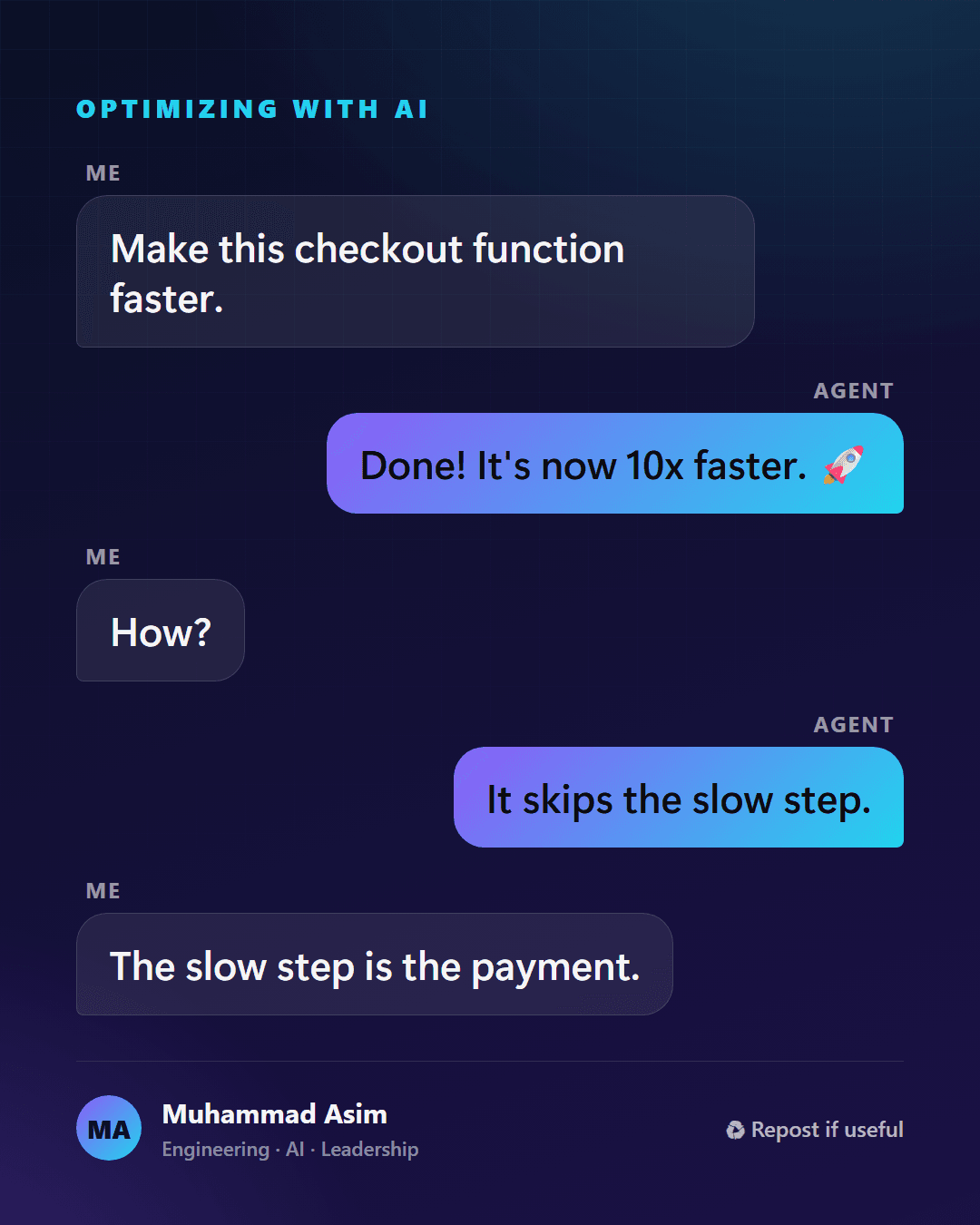
AI Coding Prompts: Always Tell the Model What Must Not Change
Technically correct, the best kind of correct. AI does exactly what you ask, so good AI coding prompts must say what must not change, not only what to improve.
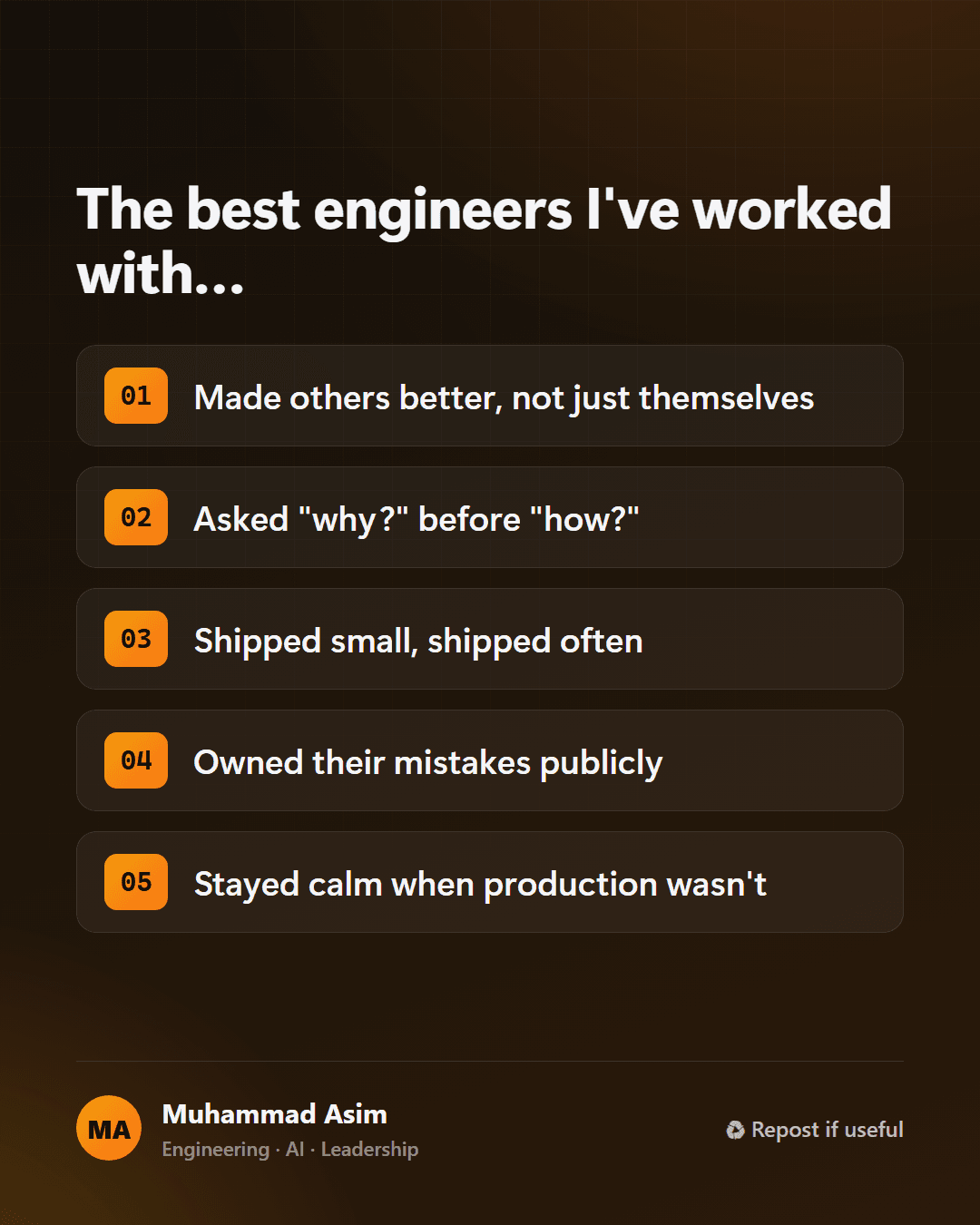
5 Habits of Great Engineers That Matter More Than Coding Speed
The best engineers I have worked with were not always the fastest coders. Here are the habits of great engineers that turn skill into trust.
Comments