

The Hidden Cost of AI-Generated Code (and How to Budget for It)
Black Friday deal of the year: unlimited AI-generated code! The fine print says it all. Code reviews sold separately. Tests not included. Production incidents may apply. It is a joke, but it points at something real. AI has made writing code almost free, and that shifts the true cost of AI-generated code to everything around it.
Budget for those things, and AI is the best deal you will get this year.
Writing code was never the main cost
Even before AI, typing code was a small part of software work. Most of the effort went into understanding the problem, designing the solution, reviewing, testing, deploying, fixing and maintaining. Code is read many more times than it is written, and it lives for years after the first commit.
AI speeds up the writing part dramatically. That is great. But if the rest of the process stays the same, the bottleneck simply moves. You now have more code to review, more code to test and more code to maintain, produced faster than before.
Where the cost of AI-generated code really shows up
Review
Every line that reaches production should be understood by a human. When an agent produces a large change in minutes, someone still has to read it carefully. Large AI diffs are tempting to skim, and skimming is where bugs and security issues slip through. Review time is the first hidden cost.
Testing
AI can write tests, which helps. But tests written by the same tool that wrote the code can share the same blind spots. Someone needs to decide what really must be tested, check that tests cover real behaviour and not just happy paths, and keep the test suite fast and reliable as it grows.
Maintenance
More code means more to maintain. If AI generates three slightly different helpers for the same job, you now have three things to update when requirements change. Duplicated logic, inconsistent patterns and unused code all add up. This is technical debt, created faster than before.
Production incidents
When code nobody fully understood breaks in production, fixing it takes longer. The person on call has to learn the code at the worst possible moment. That cost lands on people, on customers and on trust. It rarely shows up in any budget, but every team that has spent a long night on an incident knows it is real.
How to budget for it
The answer is not to slow down AI. It is to invest in the parts that now matter most.
- Make review a first-class task. Plan time for it. Keep changes small so review stays real. Ask agents to explain their changes clearly.
- Invest in automated checks. Linting, type checks, tests and security scans in CI catch many problems before a human even looks.
- Write better specs. Clear acceptance criteria and scope limits reduce rework and oversized changes.
- Set project rules for agents. Follow existing patterns, reuse existing helpers, do not edit tests to make them pass.
- Track the right metric. Measure cost per merged and stable change, not lines of code or tokens.
- Schedule cleanup. Reserve time to remove duplication and dead code before it piles up.
None of this is new. These are the same practices good teams have always used. The difference is that with AI, skipping them hurts much sooner, because the volume of code grows so quickly. These steps turn cheap code into cheap, reliable software. Without them, you are just buying debt at a discount.
I wrote about where this kind of speed comes from, and where it can go wrong, in my post on vibe coding. The guardrails I use every day are described in my AI native engineering workflow.
A quick self-check for your team
- Do reviewers have enough time for the amount of AI code being produced?
- Do you run automated tests and security scans on every pull request?
- Do your agents have written rules about patterns and tests?
- Are AI pull requests small enough to review properly?
- Do you track incidents and rework linked to AI changes?
If you answered "no" to two or more, the cost of AI-generated code on your team is probably higher than it looks. For help setting up the right guardrails, see my Claude Code consulting or simply get in touch.
What is the hidden cost of AI code on your team?
First shared on LinkedIn.
Subscribe to my newsletter
Read articles from Tech With Asim | Learn, Build, Lead directly inside your inbox. Subscribe to the newsletter, and don't miss out.
More Articles
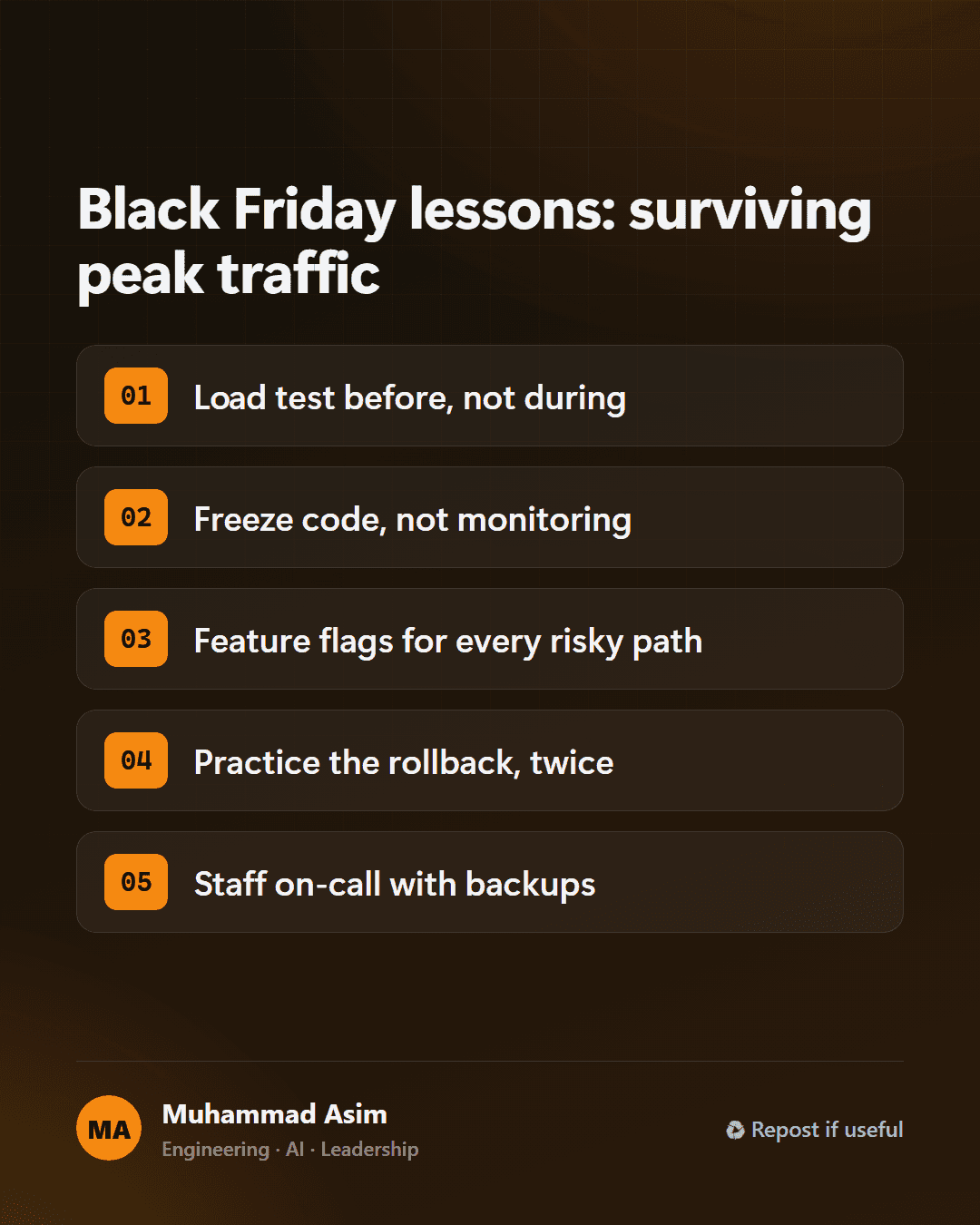
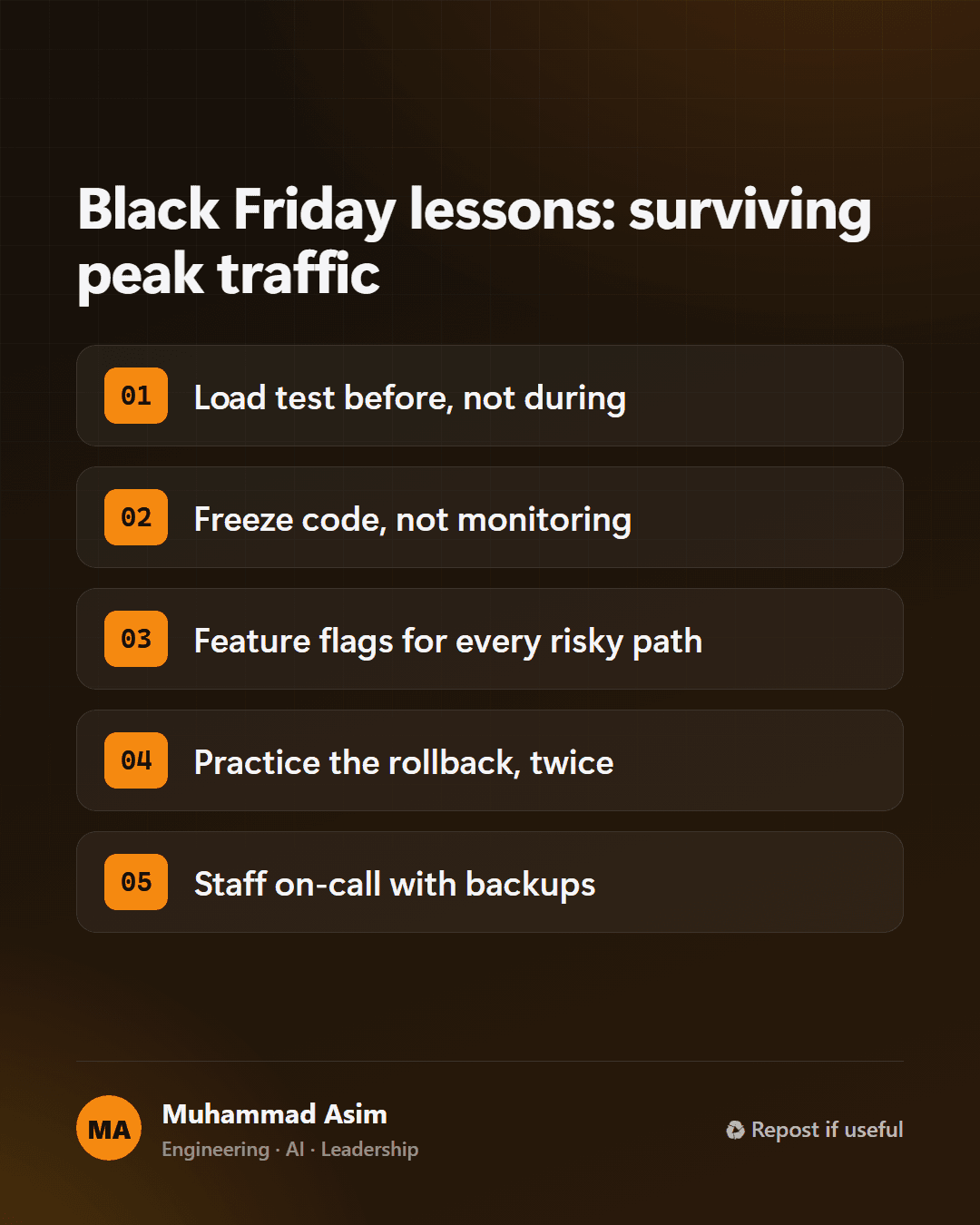
How to Prepare for Black Friday Traffic: 5 Lessons From Peak Seasons
Black Friday is the biggest stress test of the year for many engineering teams. Here are five lessons to prepare for Black Friday traffic, and any other peak day.
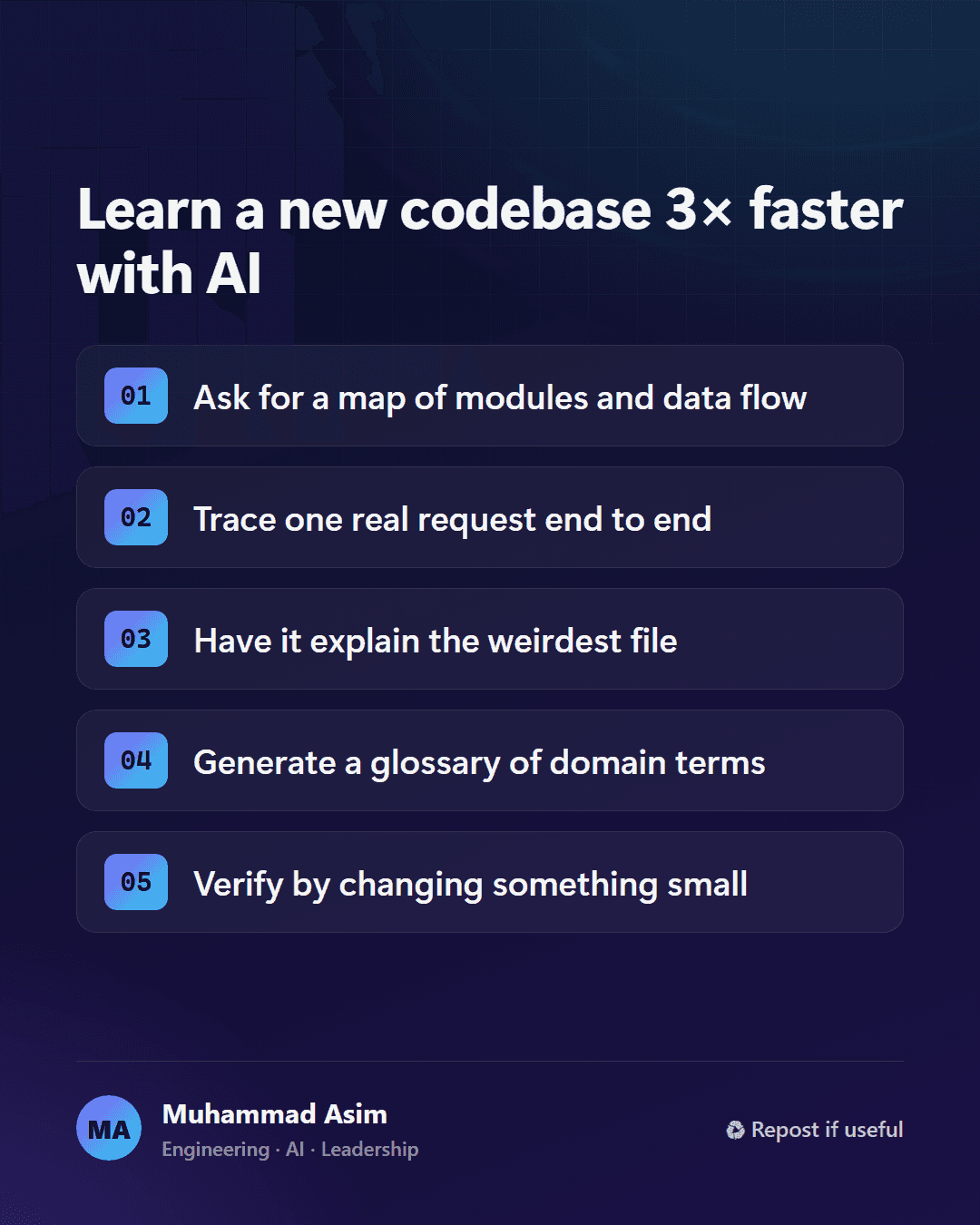
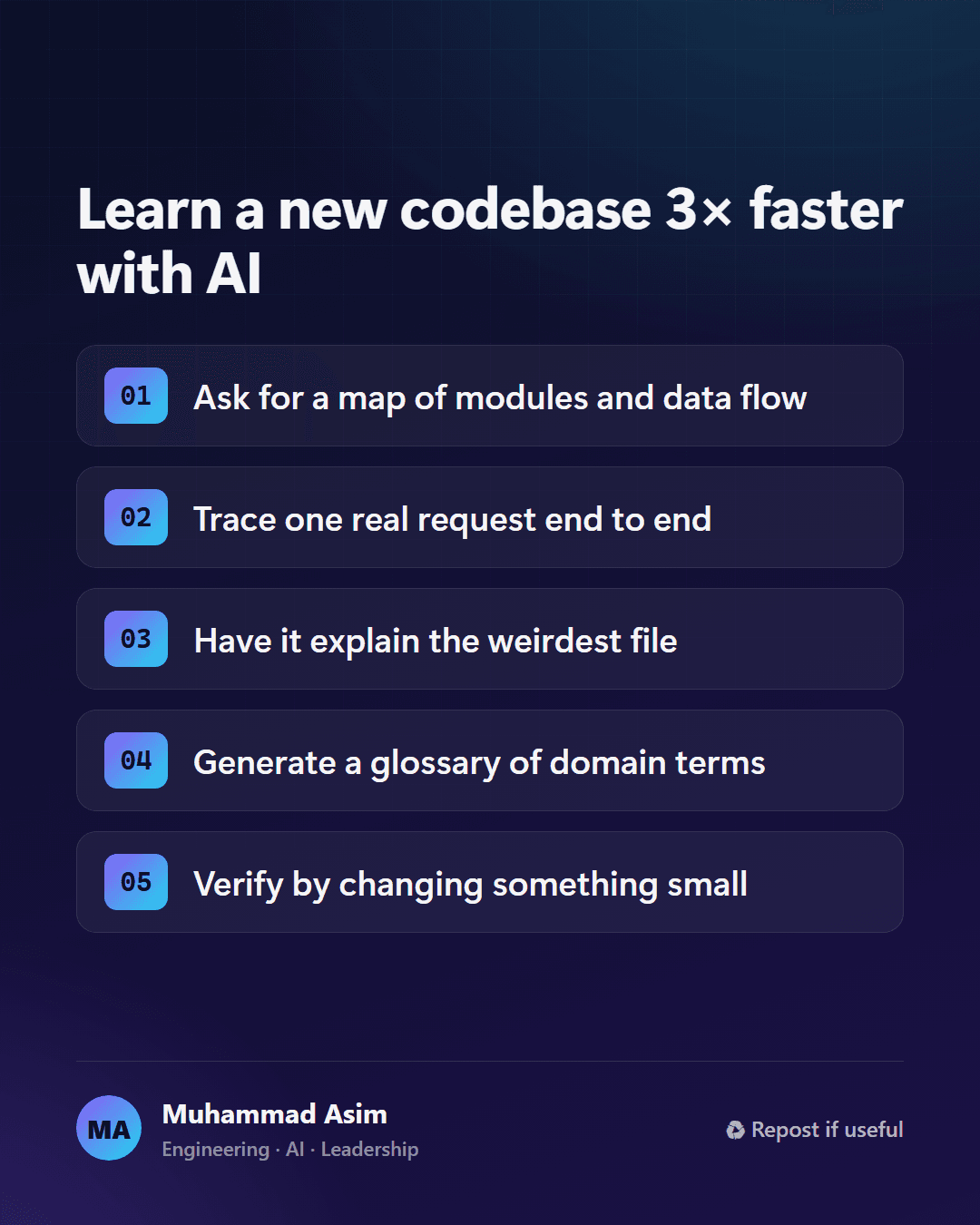
How to Use AI to Understand a Legacy Codebase Faster
Joined a new team or inherited old code? AI is an amazing tour guide. Here is my five-step process to understand a legacy codebase faster, while you stay in control.
claude-manager-kit: Run Your Work Day From One Claude Code Manager Session
An open-source npm package that turns your Claude plan into a manager that triages, delegates to parallel leads and learns from ratings. No API keys.
Comments