Why AI Raises the Reward for Software Engineering Fundamentals
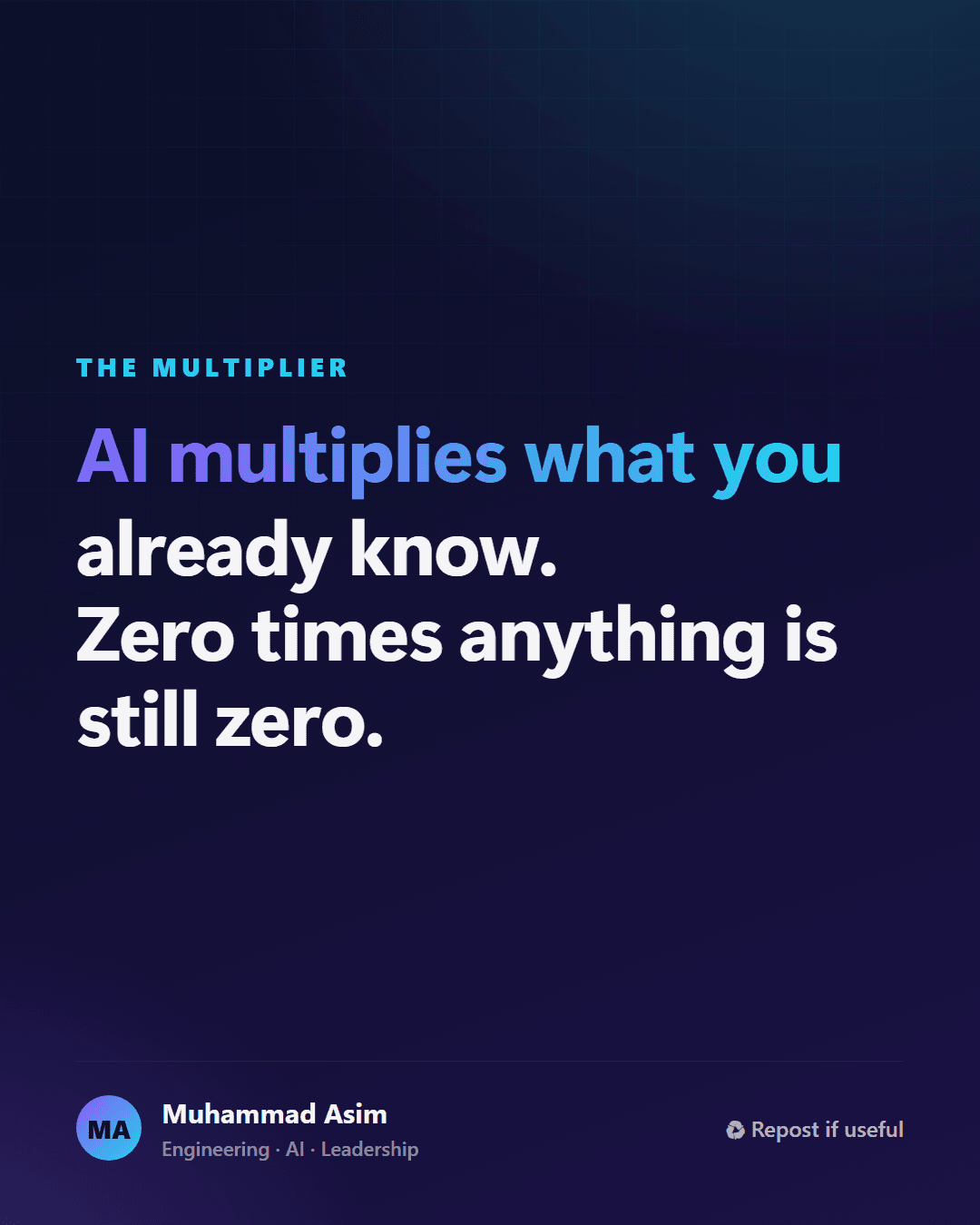
AI multiplies what you already know. That is the simplest way I can describe what I see when engineers of different levels work with AI tools. It does not replace software engineering fundamentals. It raises the reward for having them.
Industry benchmarks this year keep pointing at the same pattern: senior engineers get much bigger productivity gains from AI than juniors do. At first that seems backwards. Surely the tool should help the people who know less the most? In practice, it works the other way round.
Why seniors get more out of AI
AI tools give everyone the same raw output. What differs is what each person can do with it. Senior engineers can:
- Spot a wrong answer instantly. They have seen enough code to notice when something looks off, even if it compiles.
- Ask sharper questions. They know which constraints matter, so their prompts are precise and their results are better.
- Know which "working" code will fail at scale. They recognise the query that is fine with ten rows and painful with ten million.
In short, experience works like a filter. The better your filter, the more useful the AI output becomes. Without that filter, you accept good and bad suggestions equally, and the bad ones cost you later.
What fundamentals actually mean
When I say software engineering fundamentals, I do not mean memorising syntax. AI can handle most of that now. I mean the ideas that stay true across languages and frameworks:
- How data flows through a system, and where it can go wrong.
- How the web works: HTTP, caching, browsers, servers.
- Data structures and complexity, enough to know when something will be slow.
- Databases: indexes, transactions and how queries really run.
- Debugging: forming a guess, testing it and narrowing down the cause.
- Security basics: input validation, auth and least privilege.
- Design principles: separation of concerns, clear boundaries and simple interfaces.
These are the things that let you judge AI output, not just accept it. I wrote more about lasting patterns in Foundations of Front-end Mastery.
Advice for engineers early in their career
If you are early in your career: learn the "why", not just the "how". It compounds.
Here is how I would use AI to build fundamentals rather than skip them:
- Ask AI to explain, not just to write. After it gives you code, ask why it chose that approach and what the alternatives were.
- Predict before you run. Guess what the code will do, then run it. Being wrong is where learning happens.
- Write some code by hand. Pick small tasks and do them without help, so you build your own instincts.
- Break things on purpose. Remove the index, send bad input, kill the network. Watch what happens.
- Read real code. Open source projects and your own team's codebase teach patterns no tutorial can.
- Review AI output like a senior would. Ask: is this correct, is it safe, will it scale, can someone else read it?
If you are just starting out, my guide to jump-starting a front-end development career covers a learning path that still holds up.
The trap to avoid
The biggest risk for juniors is not that AI takes their job. It is that AI lets them skip the struggle that builds skill. If every hard problem gets pasted into a chat window, you can ship features for a year and still not know how your system works. That gap shows up fast in an incident, a design discussion or an interview.
Use AI as a tutor and a pair programmer, not as a way to avoid thinking. I explored the bigger career question in Is It Possible for AI to Replace You? My answer then and now: the people who understand the system are the ones who stay valuable.
For team leads
If you lead a team, this has a practical side too. Give juniors time to learn, not just tickets to close. Pair them with seniors when they review AI output. Ask "why" in code reviews. Their fundamentals are your team's future speed.
The takeaway
AI doesn't remove the need for software engineering fundamentals. It raises the reward for having them. The more you understand, the more AI can do for you. Learn the "why", keep practising the hard parts and let the tools multiply what you know.
What fundamental do you wish you had learned earlier? If you want help growing a team that uses AI well, get in touch.
First shared on LinkedIn.
Subscribe to my newsletter
Read articles from Tech With Asim | Learn, Build, Lead directly inside your inbox. Subscribe to the newsletter, and don't miss out.
More Articles
Spec-Driven Development: Why Specs Are Back in the Age of AI Agents
With AI agents doing more of the implementation, the quality of your spec decides the quality of your output. Here is how to practise spec-driven development well.
AI Coding Prompts: Always Tell the Model What Must Not Change
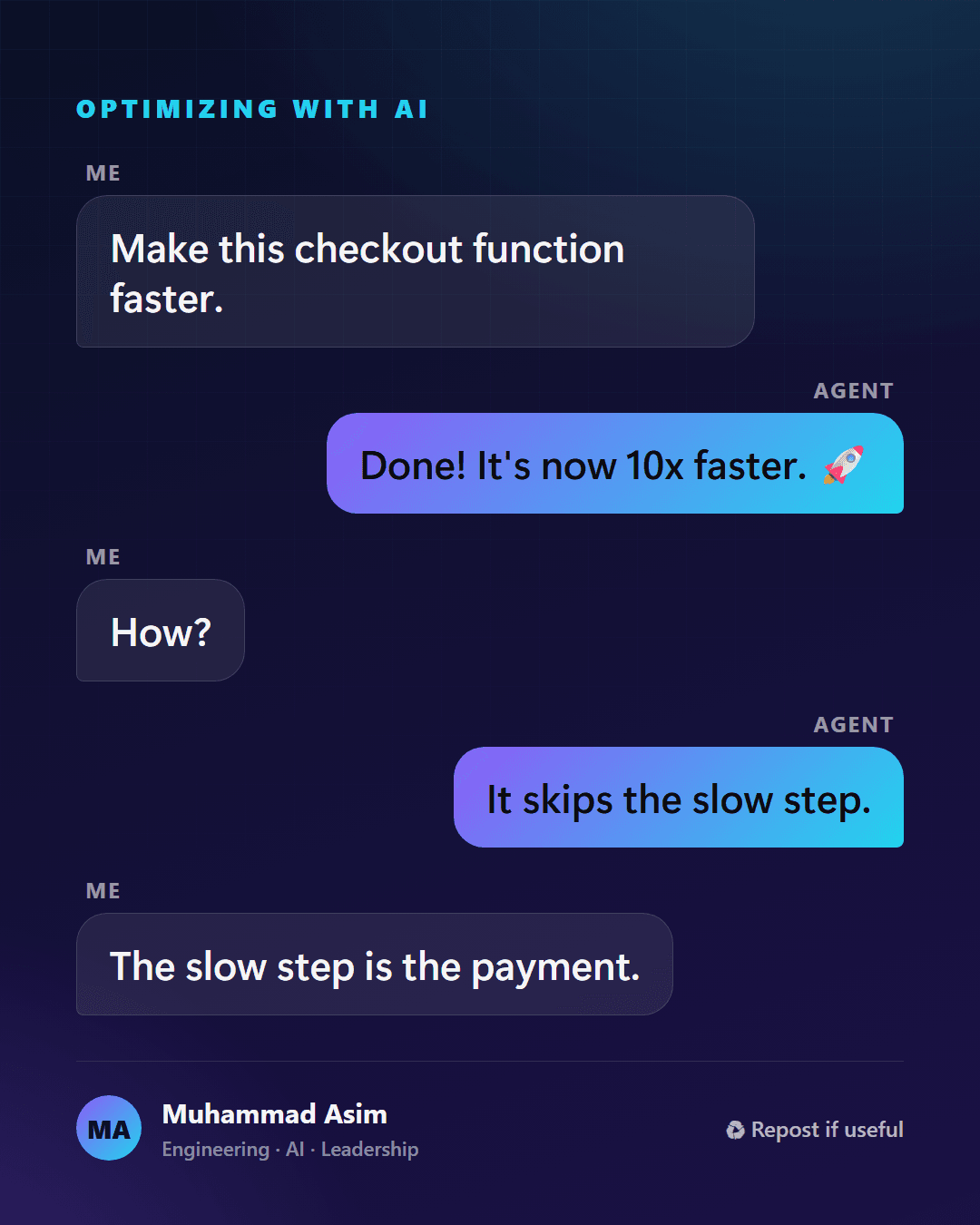
Technically correct, the best kind of correct. AI does exactly what you ask, so good AI coding prompts must say what must not change, not only what to improve.
5 Habits of Great Engineers That Matter More Than Coding Speed
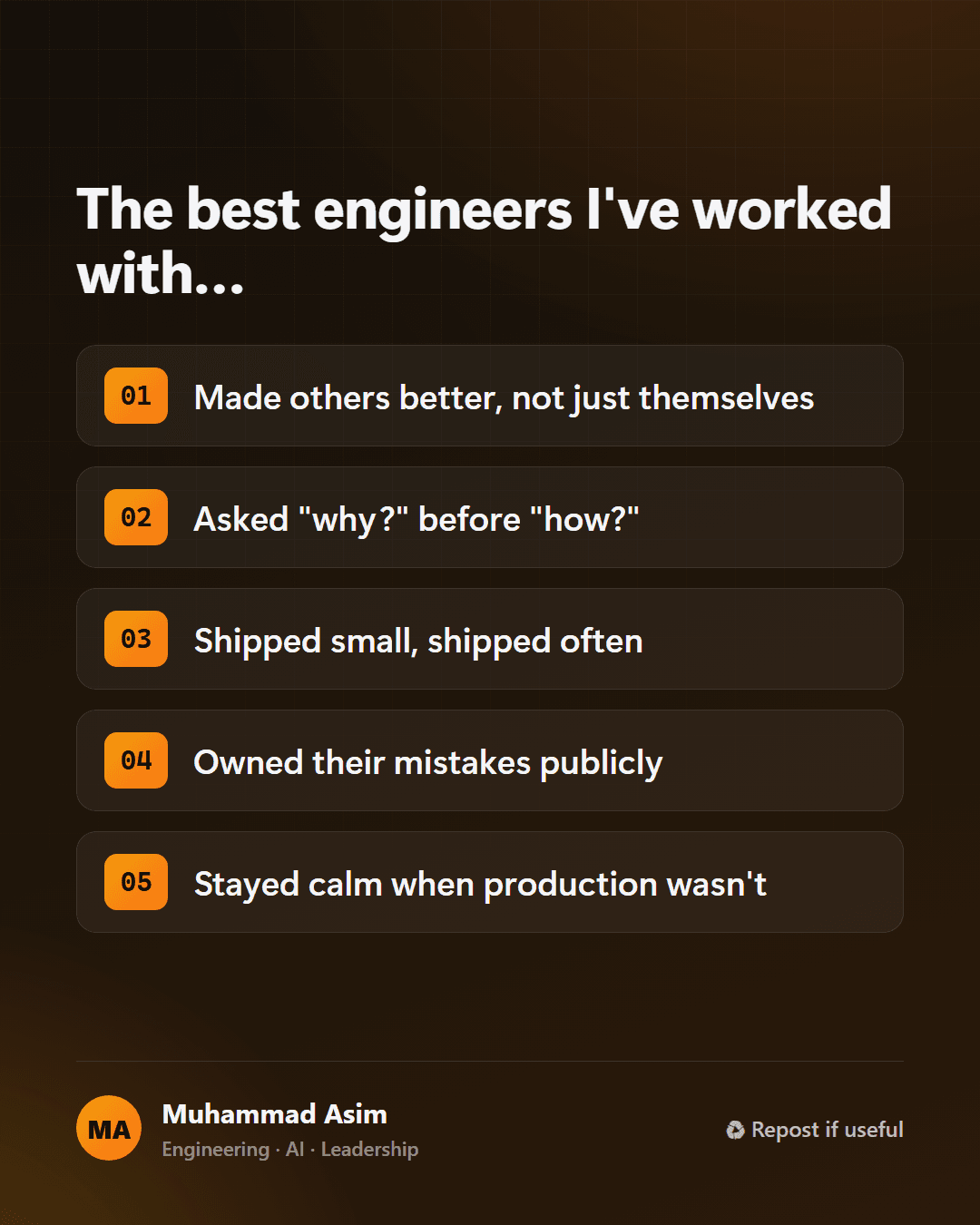
The best engineers I have worked with were not always the fastest coders. Here are the habits of great engineers that turn skill into trust.
Comments